

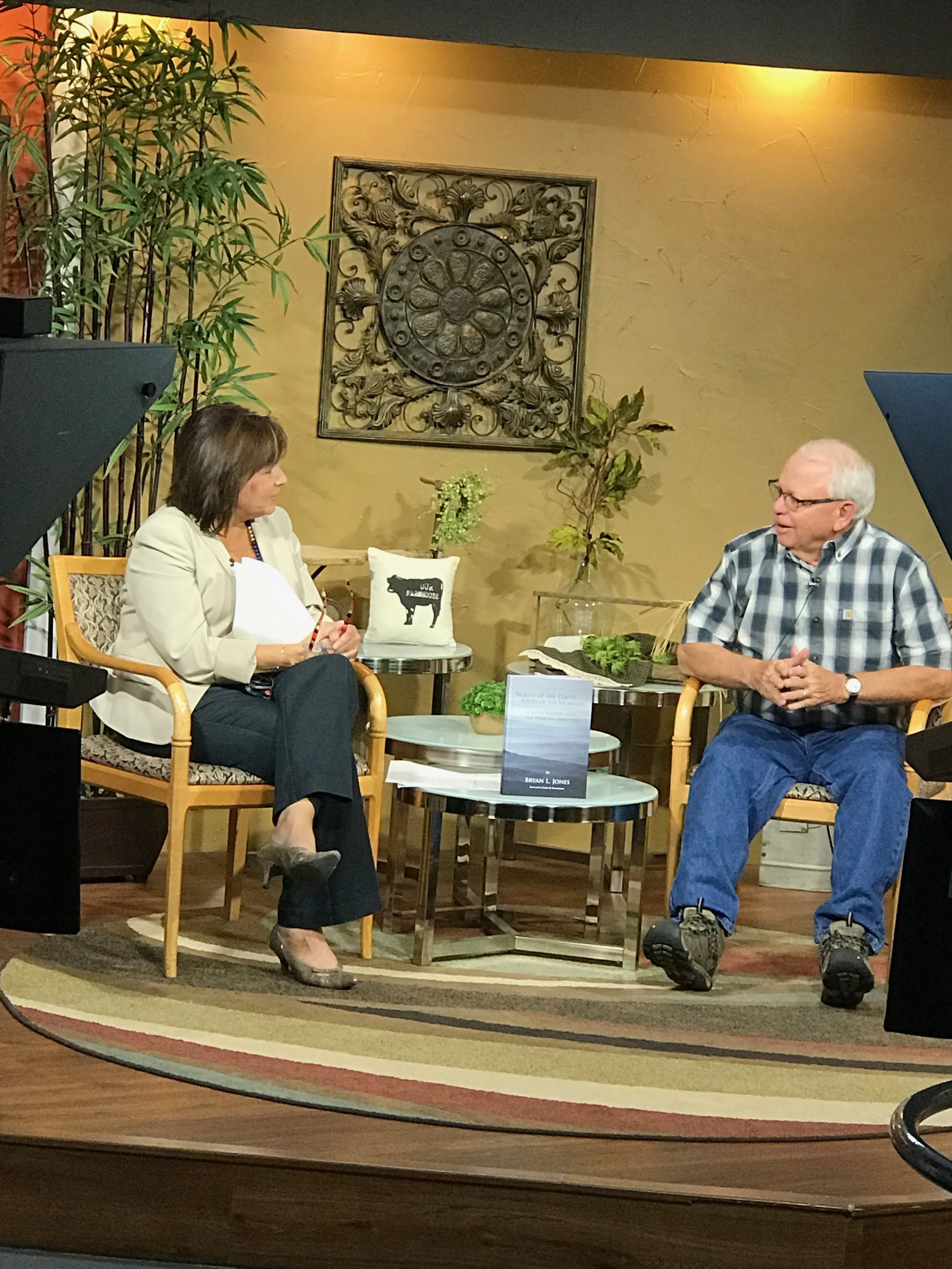
This Friday, May 29th at 10 a.m. Central Time, I will be talking about Adventures in the Teaching Trade on Nebraska Public Media’s Friday Live with Genevieve Randall. Listeners can tune in to the show by visiting the Nebraska Public Media site https://nebraskapublicmedia.org/en/series-media/friday-live-audio/ and selecting the Friday Live broadcast. This week’s show will also be available on the site for several weeks for later listening. YouTube archives of past shows are also available on the Nebraska Public Media site.
About The Show
Friday LIVE is a weekly arts and humanities program hosted by Genevieve Randall on Nebraska Public Media's News / Classical radio station. The program currently broadcasts on Fridays at 10 a.m. CT.
Fairplay author Bryan L. Jones publishes memoir on rural education
The Flume
Meryl Phair May 5, 2026
Updated May 6, 2026
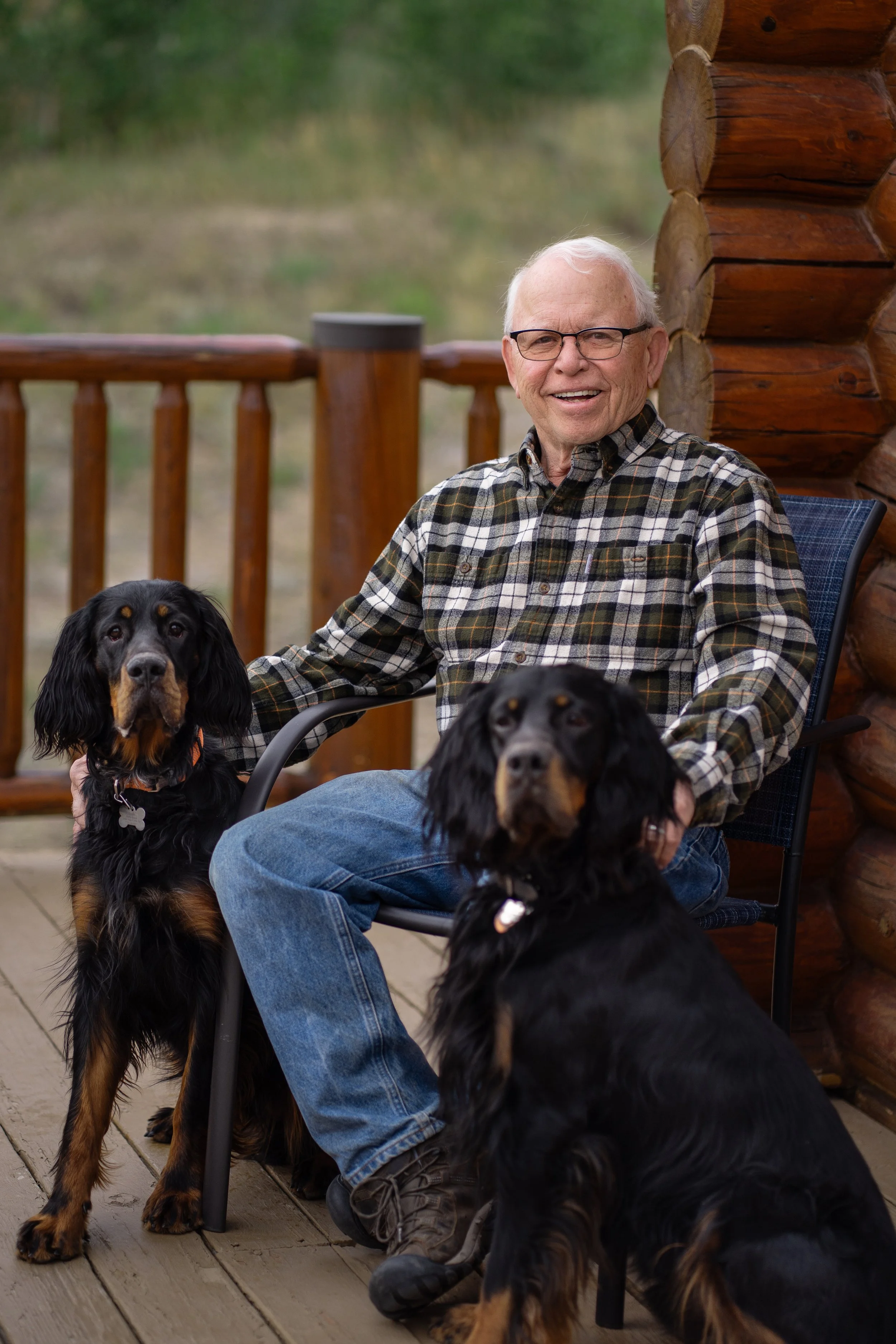
Bryan L. Jones is not a psychologist, so when a principal tasked him with teaching a course on the subject, a handful of his students decided to take on the role of behavioralists themselves.
“They built a maze in class, and I got them some rats,” Jones recalled. “They were down in the furnace room, having races, and while they found it difficult to quantify any increases in intelligence … they were being creative.”
Jones said that despite his students’ enthusiasm for the task, the furnace room was where the school’s custodian played solitaire (“rather than cleaning,” noted Jones).
“He got resentful of the noise and the smell, one thing led to another, and words were exchanged,” Jones continued. “The students hooked up a big bucket of water on the door, and when he came in, they dumped him. The next morning, when they went back, all the rats were dead.”
The exchange is just one of the fleshed-out sketches compiled in Jones’ memoir, Adventures in the Teaching Trade, which documents the author’s three decades of teaching in the rural school districts of the High Plains. The book combines humorous profiles of eccentric characters with some of the more challenging aspects of rural life, all while providing insight into the public school system.
Published in 2025, Adventures in the Teaching Trade is a memoir that will resonate with educators and anyone who enjoys good old storytelling. His fourth publication, the book has been a labor of love and a long-term goal for the memoirist.
Jones grew up in Nebraska. His father was a minister, so his early years were spent traveling much of the state, growing up in between Central City, Neligh, Chappell and Geneva. After going off to college at Roosevelt University in Chicago and attending graduate school at the University of New Orleans and the University of Nebraska at Kearney, Jones had his sights set on new horizons, with options for doctoral fellowships in Virginia and Vancouver, but ultimately, the war pulled him home.
“There was a huge shortage of teachers, particularly in rural schools, so I thought if I could get a job in a school in Nebraska, that’s a deferment,” Jones said. “I wasn’t philosophically opposed to the war. I was just opposed to me in the war.”
While his initiation into the world of rural education was less than expected, Jones quickly found a knack for teaching social studies. He stayed in his role for seven years before making a go at farming, owning and operating a profitable beef stockerfeeder operation for 11 years. During that time, he also did a fair bit of investigative reporting along with writing humor columns; his growing love for writing ultimately turning into his first book.
The Farming Game, published in 1982, combines vignettes of farm life with the narrative that, despite the omnipresent push for big agriculture, small farms could still make it. Published by The University of Nebraska Press, the book was the university’s first originally published volume to be reviewed by the New York Times.
Despite the literary success, skyrocketing interest rates in the 80s forced Jones out of the farming industry, sending the Nebraska native back to teaching, this time in a small school west of Hayes, Kansas. Later, he would transition to a school in Southwest Nebraska, where he taught for the next 20 years before retirement.
Throughout his teaching career, Jones remained dedicated to his students’ success, particularly in encouraging them to find joy in reading and writing. He remembers one school he taught at had a goal that by the time a student graduated, they would have read at least one book. “My kids were at 40 books,” Jones said.
He also noted that beyond academics, teaching showed him the impact he had on so many young people’s lives. “I learned that my attitude was so important,” he said. “If they’re glad to see me, that’s a different deal than when you’d come in and a teacher’s grumpy, it really changes the dynamic of going to school.”
While teaching, Jones still found the time to write on his own, essays written during a fellowship at the Middlebury Breadloaf School of English turning into his second book, Mark Twain Made Me Do It and Other Plains Adventures. Published in 1997, the book documented his childhood in western Nebraska.
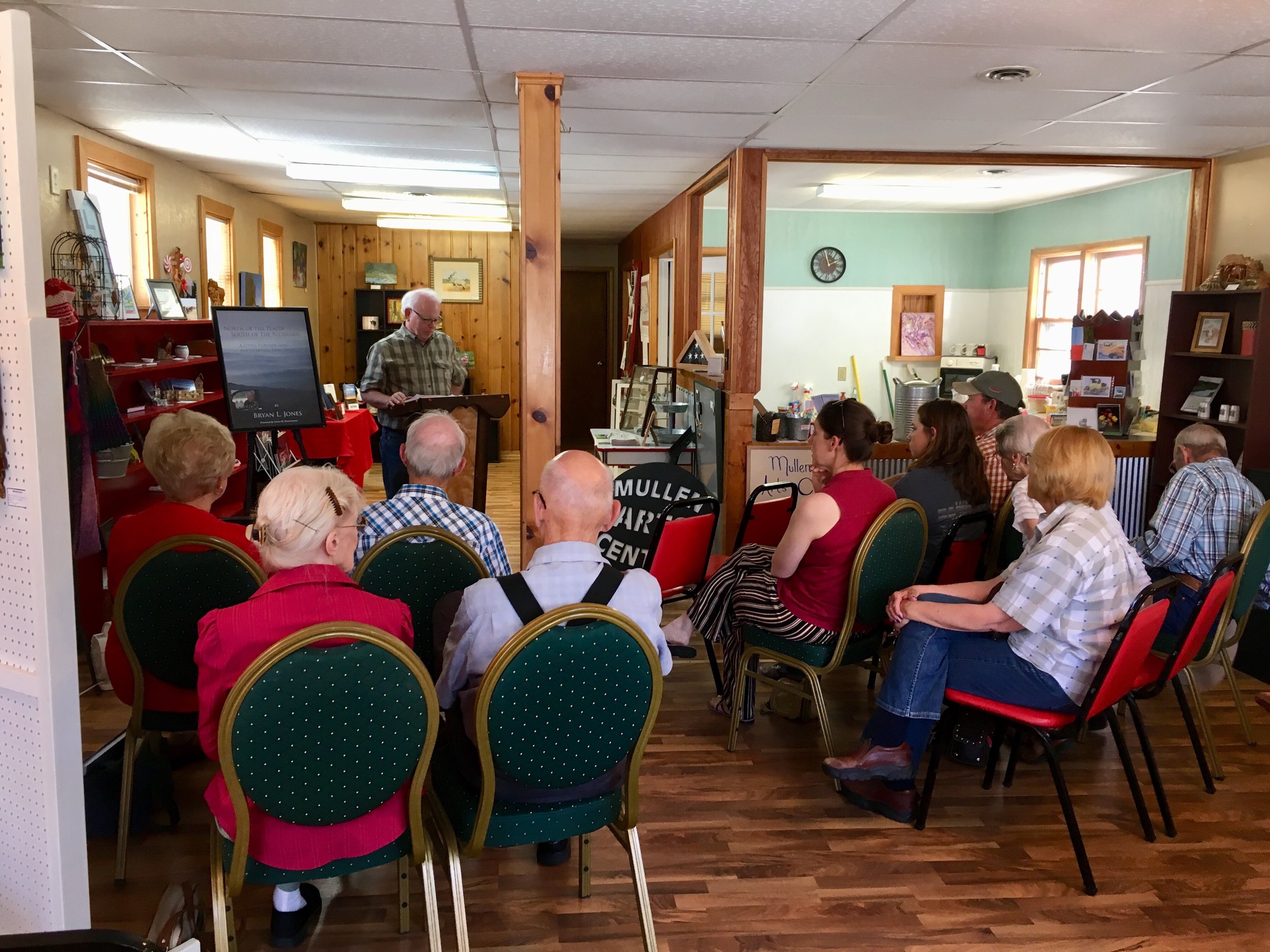
Since retiring, Jones dedicated his well earned time off to conduct 350 interviews over 70,000 miles, the reporting becoming his third publication, North of the Platte, South of the Niobrara: A Little Further into the Nebraska Sand Hills (2018).
Jones’ writing has also been published in the nonfiction anthology The Big Empty (2007) along with the Wisconsin Magazine of History, New Land Review, Prairie Sentinel, Great Plains Quarterly, New Farm, Teacher Magazine, and North Dakota Quarterly, and others.
He currently lives in Fairplay with his wife, Kathy and two dogs. For more on Bryan Jones and his books, visit his website at bryanjoneswriter.com .
A CROWN JEWEL OF INDEPENDENT BOOKSTORES
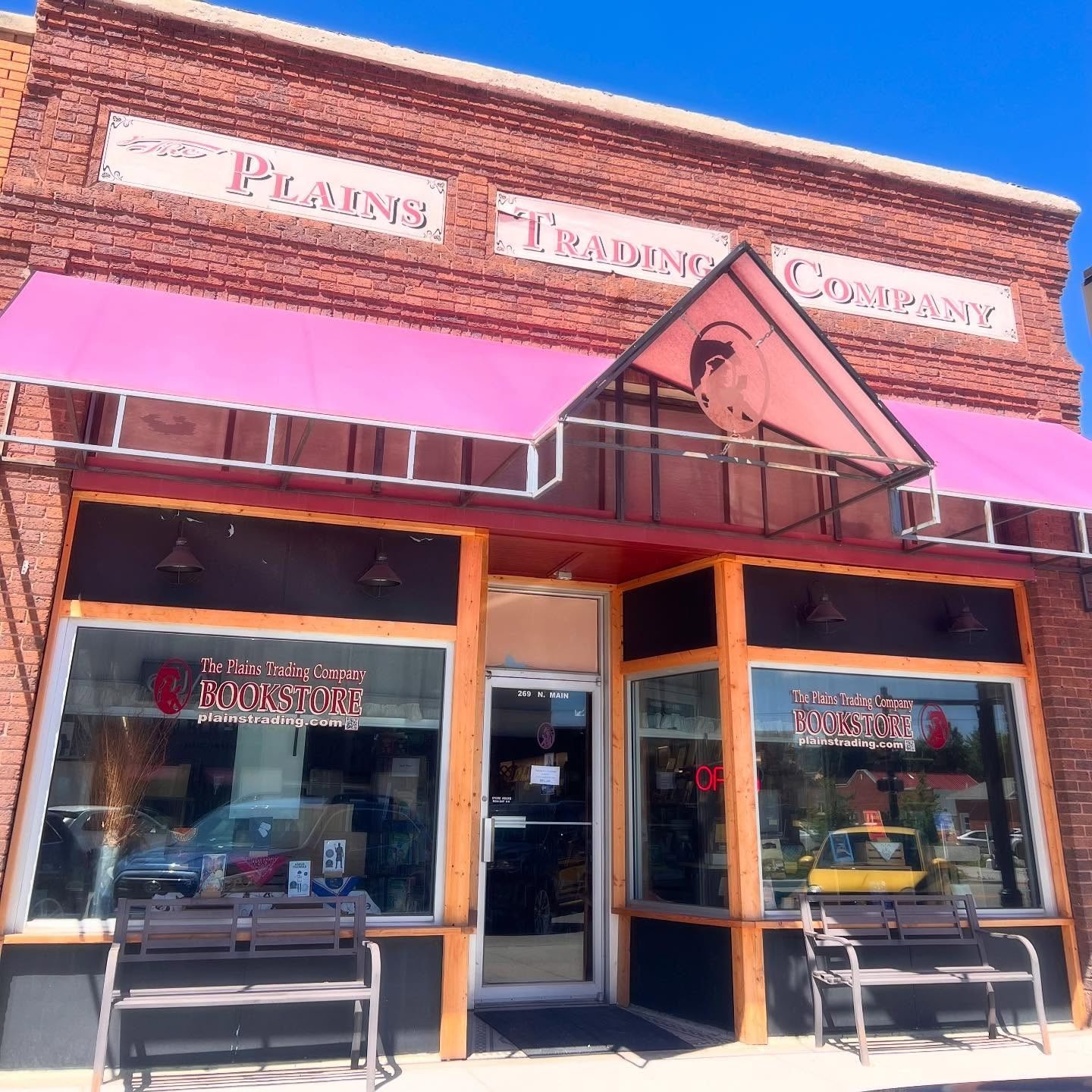
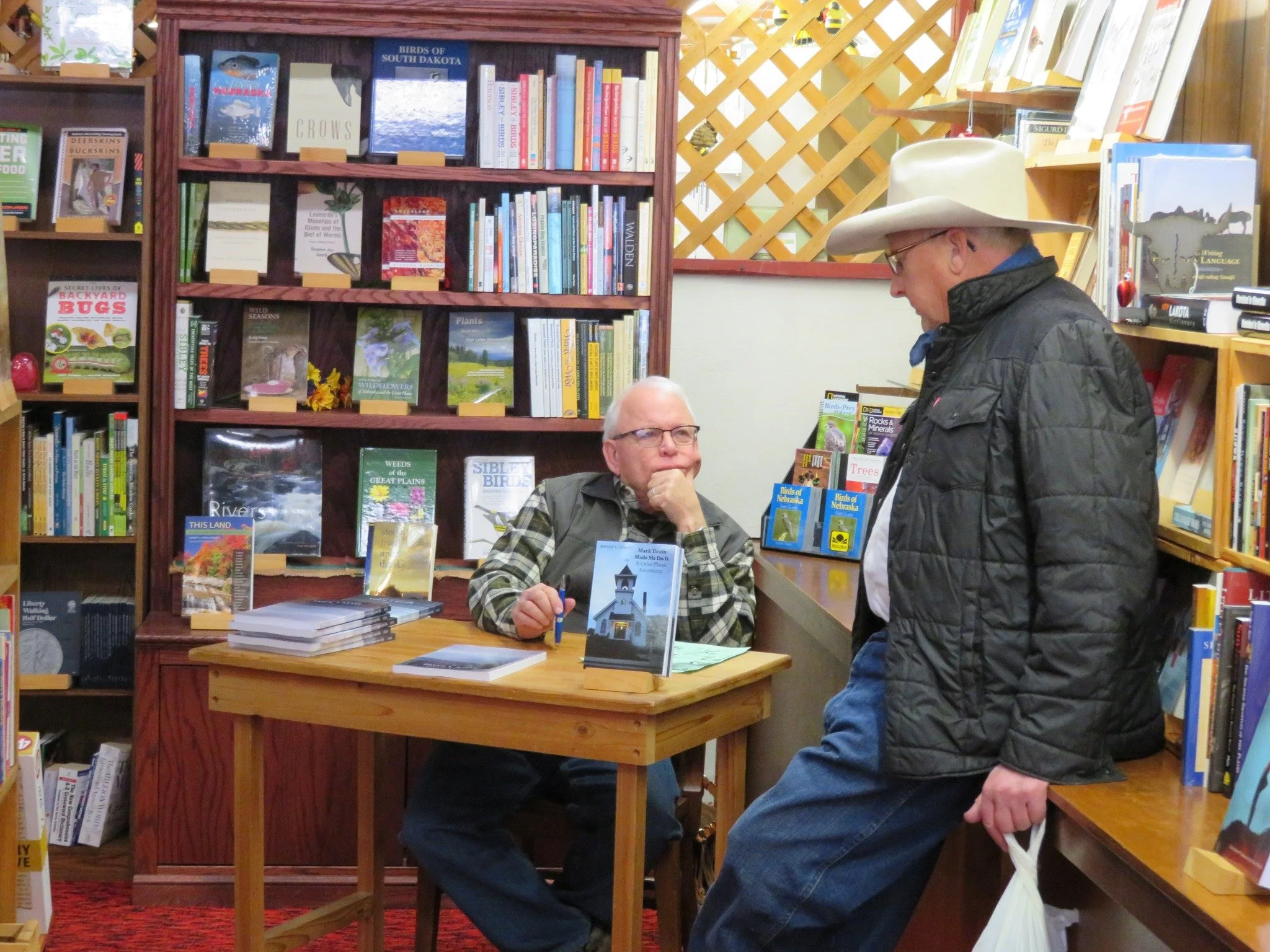
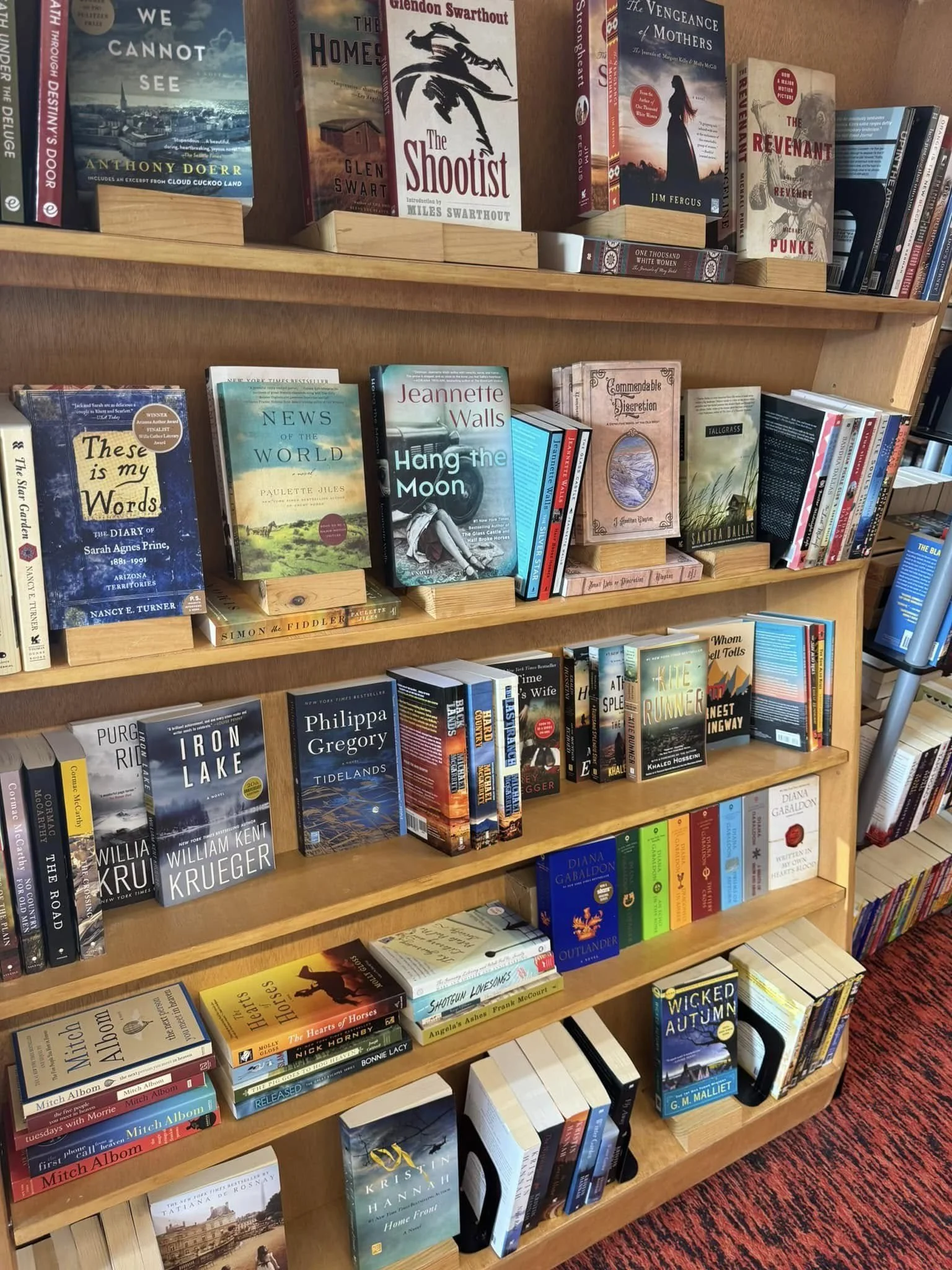
Plains Trading Company Booksellers in Valentine, Nebraska, belongs among the crown jewels of independent bookstores. Attentive customer service and selective offerings make any visit to Plains Trading a bibliophile’s most fevered imaginings come true. The knowledgeable staff will help you find what you’re looking for. Settle into a welcoming chair with a cup of coffee or a glass of wine and become acquainted with your new favorite book. The store also offers a wide selection of teas and coffees, games, puzzles, children’s toys, and western-themed gifts.
Founded in 1992 by Duane Gudgel and Darlene Meyer, Plains Trading soon focused on regional titles, a large selection of children’s books, current best-sellers, Native American authors and poetry. Always attuned to their customers, Plains Trading maintains a convenient online bookstore and recently converted a back room into a special event center.
Personal Note:
Duane was a loyal advocate of my work long before we met. He believed Mark Twain Made Me Do It and Other Plains Adventures to be a commendable coming-of-age memoir. After the University of Nebraska Press allowed the title to go out of print, Duane purchased new and used copies wherever he could find them. He eventually pestered the University of Nebraska Press into reissuing the book. I will be forever grateful. He was an early fan of North of the Platte, South of the Niobrara: A Little Further into the Nebraska Sand Hills, and did more than anyone to popularize the book. I am also grateful to Plains Trading Company for supporting my most recent book, Adventures in the Teaching Trade. If the stars align, I may use the spiffy new Book Cellar venue for a book talk/signing.
The Plains Trading Company Booksellers
269 N. Main Street
Valentine, NE 69201
(402) 376-1424
duane@plainstrading.com
The meanest thing I ever did…the uncut version
At a recent author fair, fellow author Will Pass asked me for a story from my new book, Adventures in the Teaching Trade. Click here for the story:
Welcome New Book Vendor
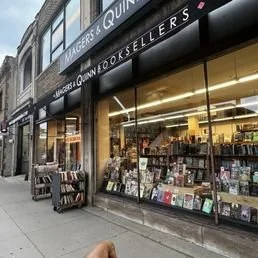
We are pleased to announce Magers & Quinn Booksellers in Uptown Minneapolis is now carrying Adventures in the Teaching Trade, along with my other books. Magers & Quinn, housed in a mammoth 100-year-old building, contains miles of books, a helpful staff, and the warm atmosphere of a long-established independent bookstore.
Book News
Bookshop.org, which shares profits with local retailers, is now offering Adventures in the Teaching Trade and copies of my other books. Buyers will find some books at lower prices than available on other outlets.
Book News
Apple Books recently announced the eBook edition of Adventures in the Teaching Trade is now available to order from the United States, Canada, Spain, the UK and New Zealand. Residents of those countries are now free to go nuts. Autographed hard copies are available at bryanjoneswriter.com to residents of anywhere.
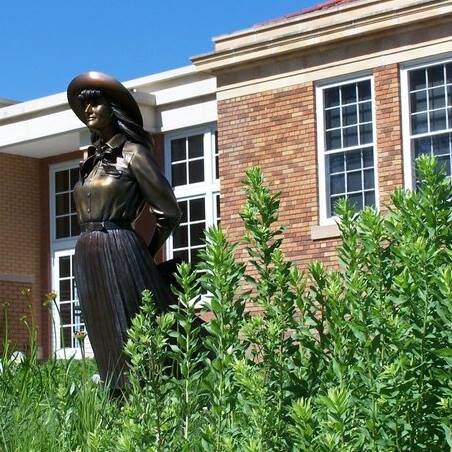
Mari Sandoz High Plains Heritage Center
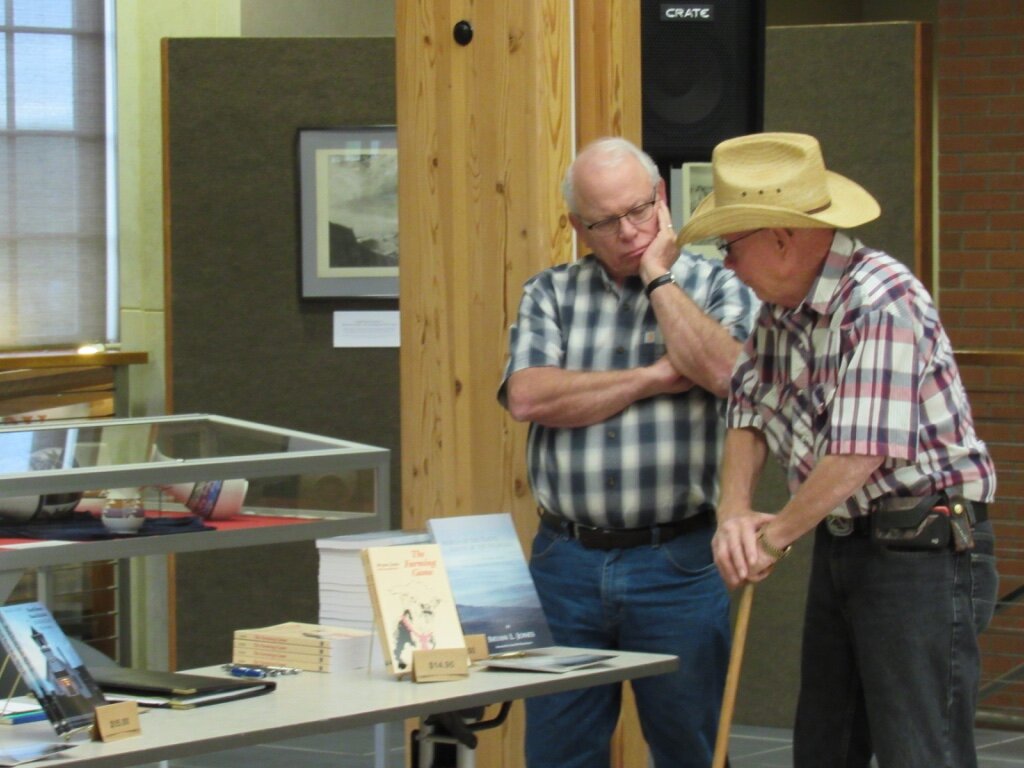
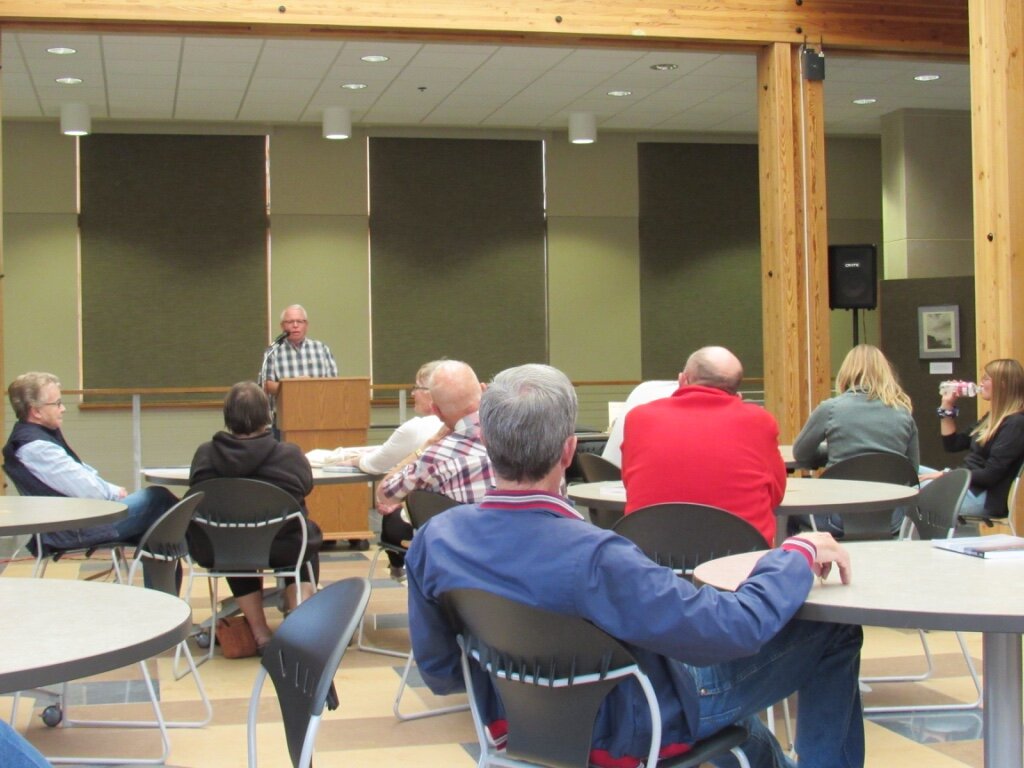
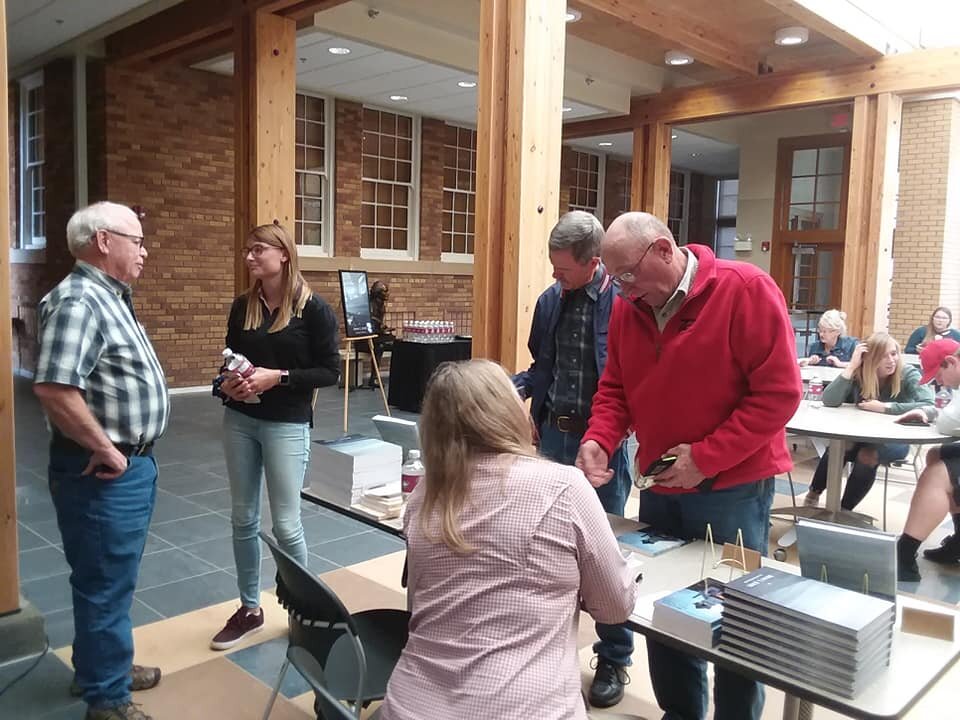
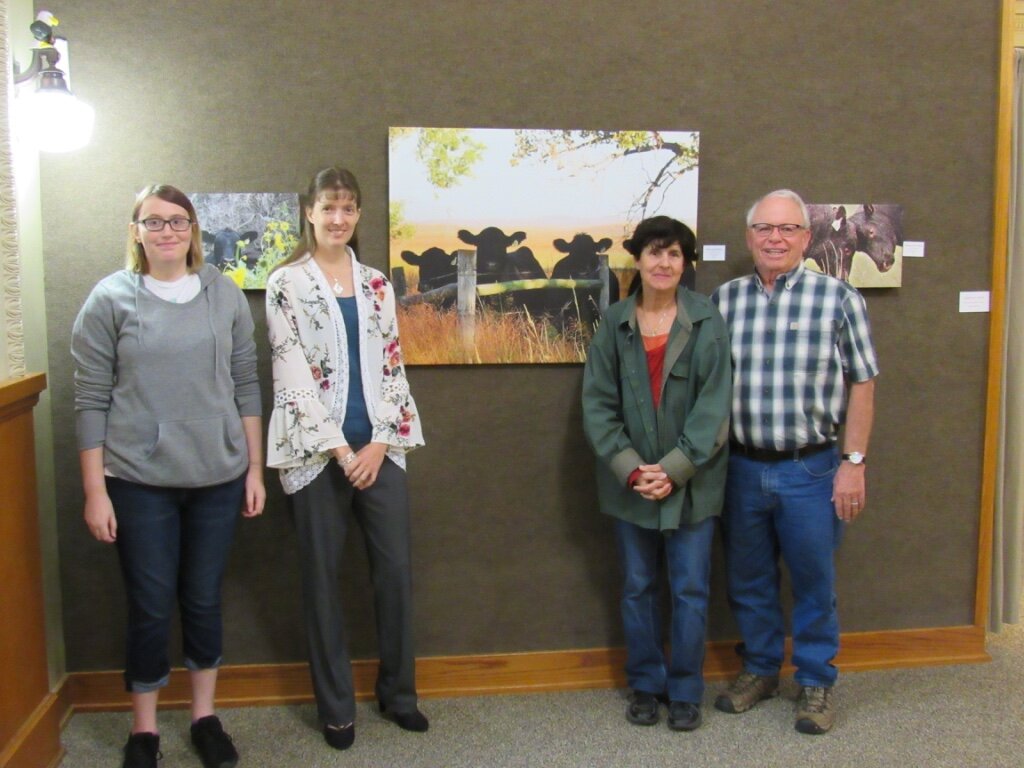
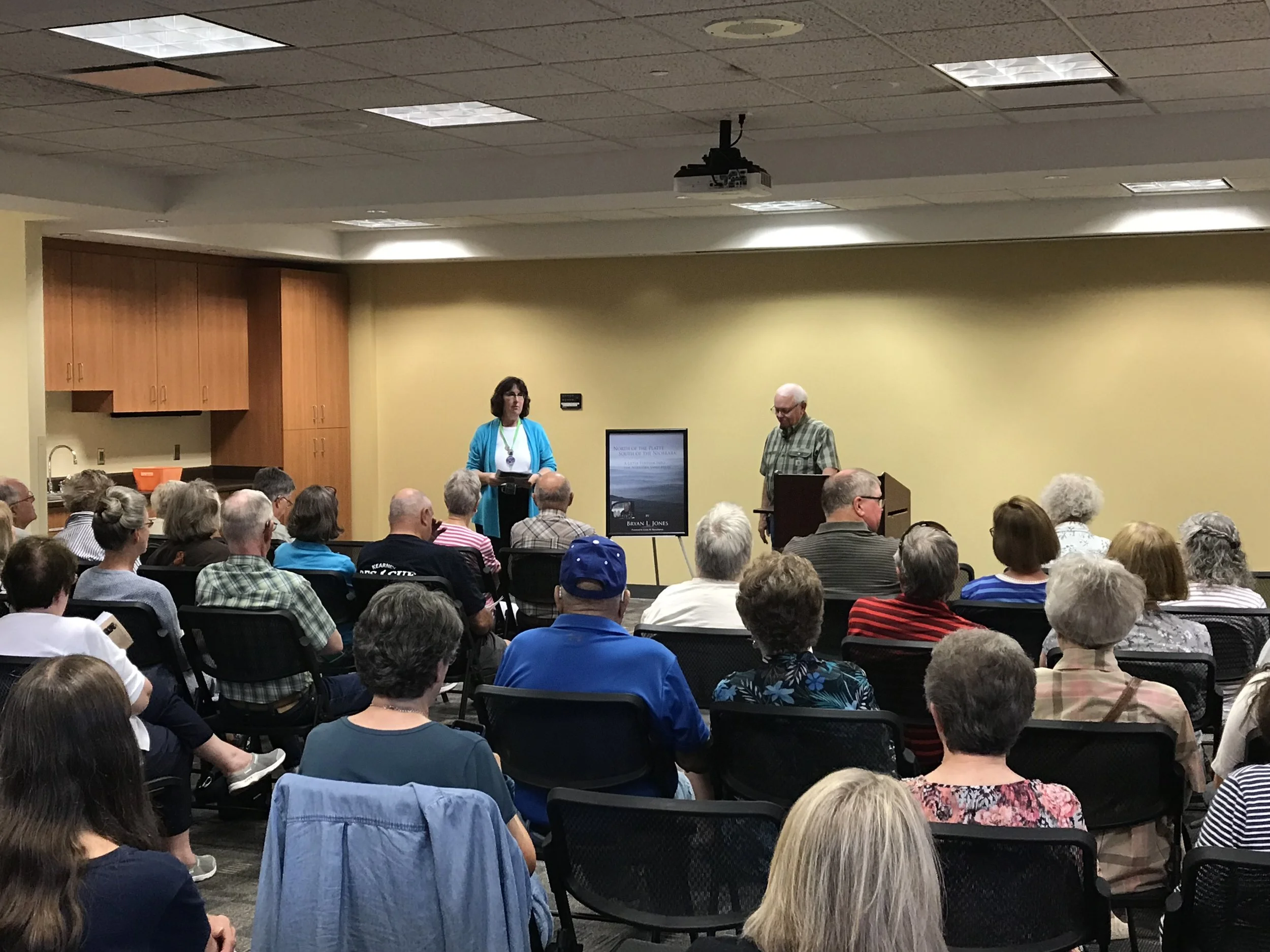
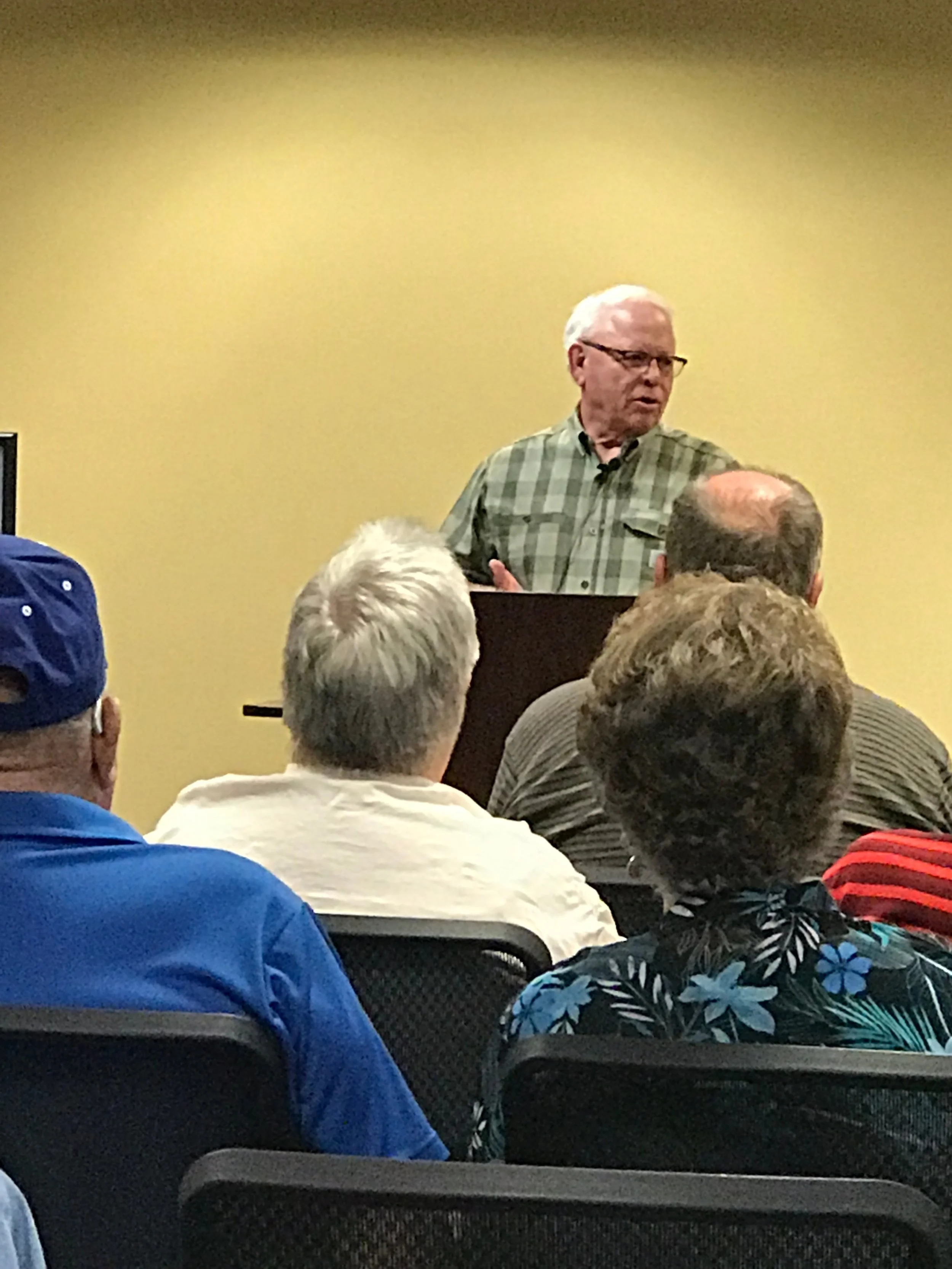
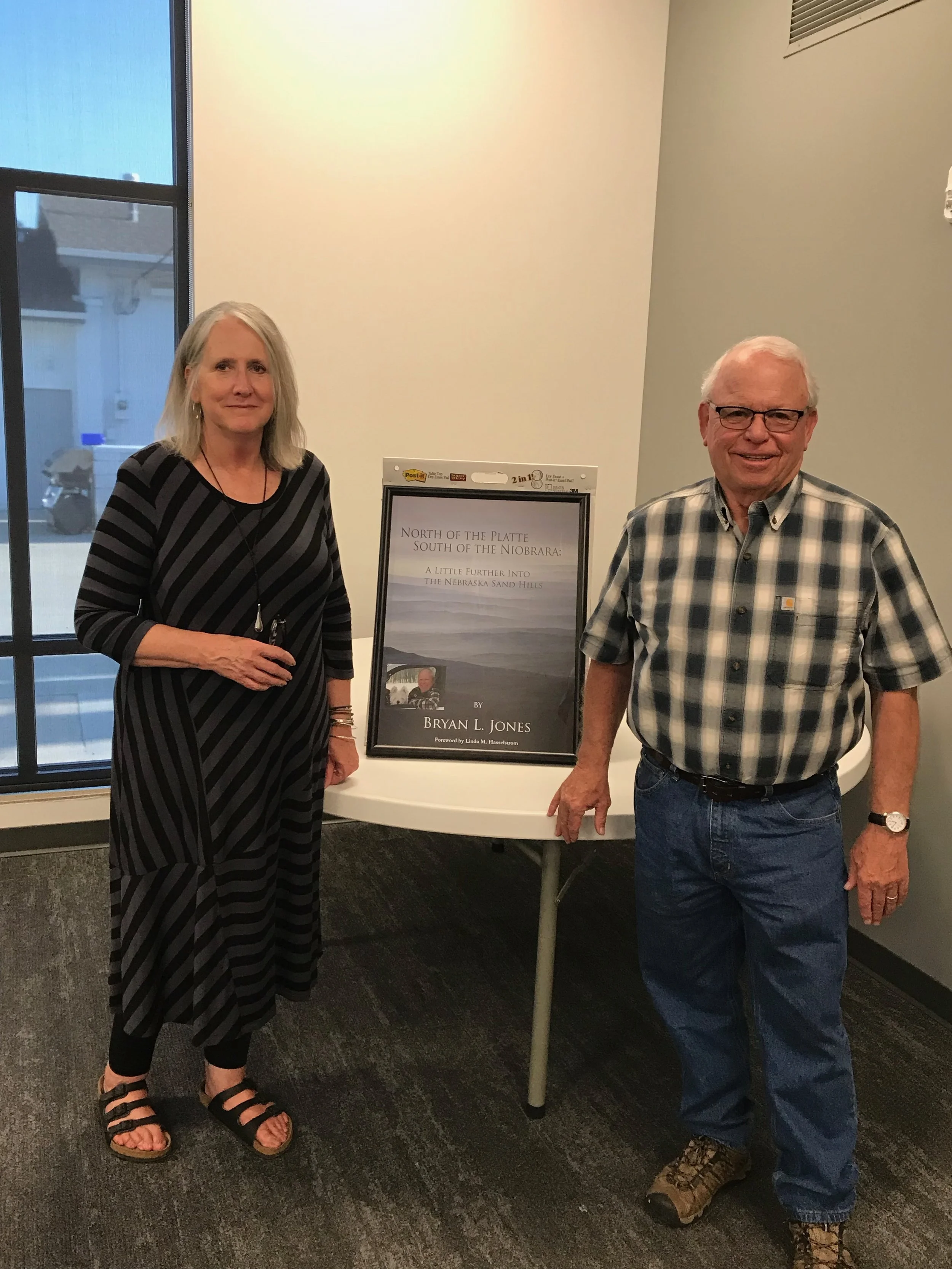
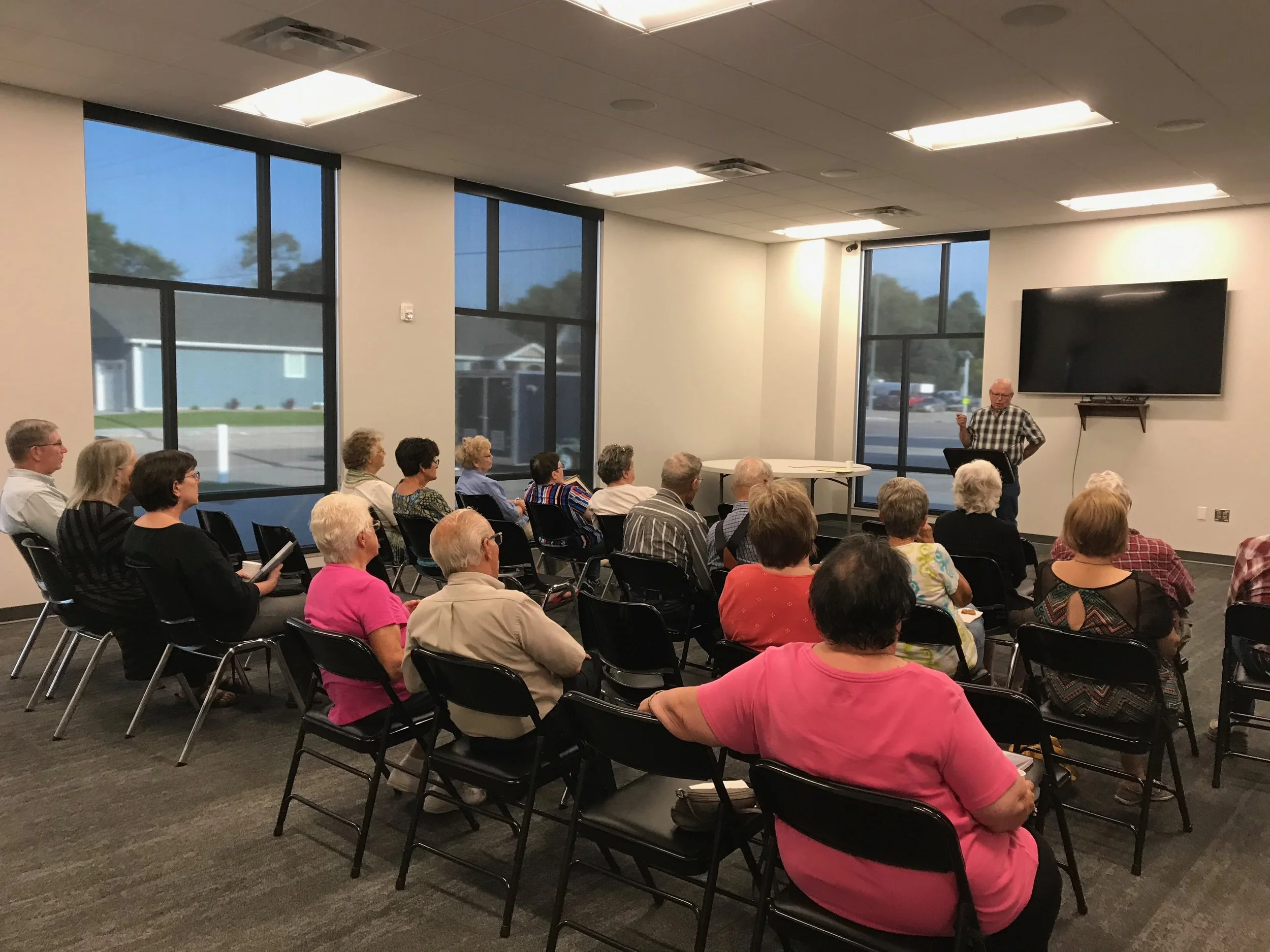
On September 25th, the Mari Sandoz Western Heritage Center at Chadron State College hosted a North of the Platte, South of the Niobrara book talk/signing. My keen interest in the life and writings of Mari Sandoz goes back over 60 years, since my time in junior high school and making an appearance at the Sandoz Center has long been a personal dream. As it turned out, the actuality far exceeded the anticipation. The event was well-attended, thanks to Director Laure Sinn and her crack staff’s publicity efforts, which were as creative as they were thorough, employing social media, print ads and radio interviews.
The audience shared memorable personal stories, including several Sandoz family anecdotes, and we signed a fair number of books. Two sisters-in-law, who make a habit of attending book signings and then hiding their loot from their husbands, bought one of every book on offer. We hope they show up at our next book event.






Quisque iaculis facilisis lacinia. Mauris euismod pellentesque tellus sit amet mollis.